The Box Breathing Technique: How to Reset Your Nervous System
Most people who struggle with stress, anxiety, or overthinking have tried to quiet the mind first. You sit down, close your eyes, and tell yourself to stop thinking. It rarely works. The box breathing technique flips that approach entirely: instead of wrestling with your thoughts, you change your physiology, and the mental noise settles on its own.
Box breathing is a structured breathing exercise built around a simple 4-4-4-4 pattern: inhale for four counts, hold for four, exhale for four, hold for four. It takes less than a minute per cycle. When you deliberately slow and control your breath, your nervous system shifts out of stress mode and into a calmer, more regulated state, often faster than any meditation or mental trick you have tried. This is the same method used by Navy SEALs under extreme pressure and by professional athletes before high-stakes performances, and it works just as well when you are sitting at your kitchen table at 2 a.m. unable to sleep.
Dan De Luis, who leads the Abundance Breathwork Club and has spent over 20 years studying breath and nervous system regulation, teaches this principle daily: change the body first, and the mind follows. His approach treats breathwork as a practical system rather than a passive relaxation exercise. If you are curious about putting this into practice with real guidance, the free 7-Day Breath Reset Challenge at Abundance Breathwork Club is a solid starting point that takes about five minutes to begin.
What follows is everything you need to know to practice box breathing correctly, understand why it works at the nervous system level, and build it into your daily routine in a way that actually sticks.
What Box Breathing Does In The Moment
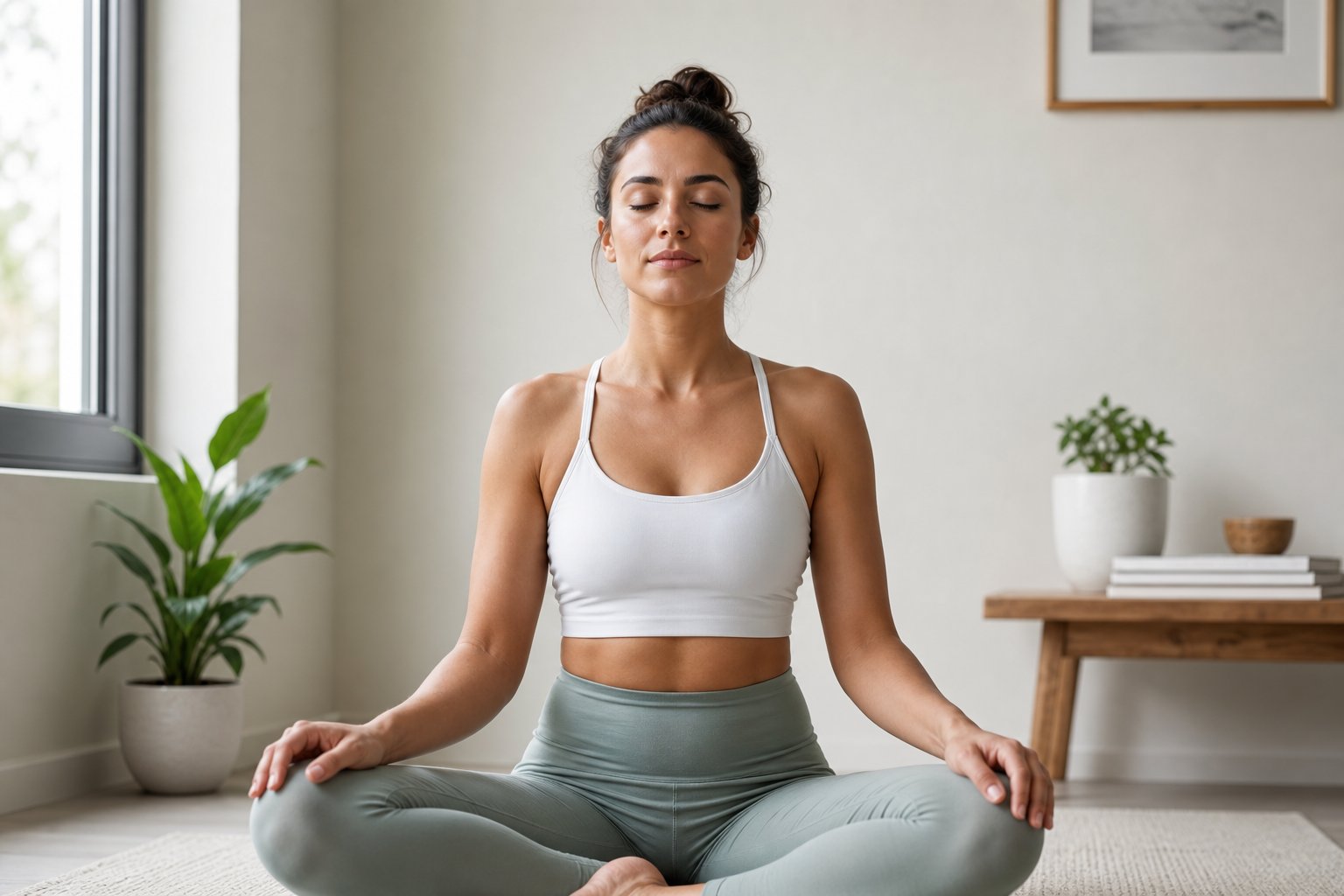
The box breathing technique creates an immediate shift in how your body processes stress. The equal-length pattern of inhale, hold, exhale, hold interrupts the erratic breathing rhythm that anxiety and tension create, replacing it with something structured and predictable that your nervous system can latch onto.
Why The 4-4-4-4 Pattern Feels Grounding
The reason 4-4-4-4 breathing feels so stabilizing is the symmetry. Also called four-square breathing or square breathing, every phase is the same length, which eliminates the guesswork and gives your brain a single, repeatable task. Your mind cannot simultaneously count breath cycles and spiral into worry. The even breathing rhythm acts as an anchor, pulling your attention out of racing thoughts and into something tangible. You are not trying to think your way to calm. You are breathing your way there.
How Physiology Shifts Before Thoughts Do
Here is what most people get wrong about stress: they treat it as a mental problem. But when you are anxious, your heart rate is elevated, your muscles are tight, and your breathing is shallow before you even notice the worried thoughts. The breathing practice reverses that sequence. Within the first two or three cycles, your heart rate begins to slow and your blood pressure starts to drop. As research on breathwork and stress reduction shows, slow, controlled inhalations and holds stabilize the autonomic nervous system. The mental calm follows the physical shift, not the other way around. This is the core philosophy Dan De Luis teaches: physiology first, mind second.
Why It Helps During Overthinking And Stress
When you are stuck in overthinking, your brain is locked in a loop. Square breathing breaks that loop by giving your prefrontal cortex something structured to do. The breath holds are especially important here. Those four-count pauses after the inhale and exhale force a moment of stillness that interrupts the stress cycle at a physiological level. You are not suppressing the thoughts. You are removing the fuel source: the agitated body state that keeps them running.
How To Practice It Step By Step
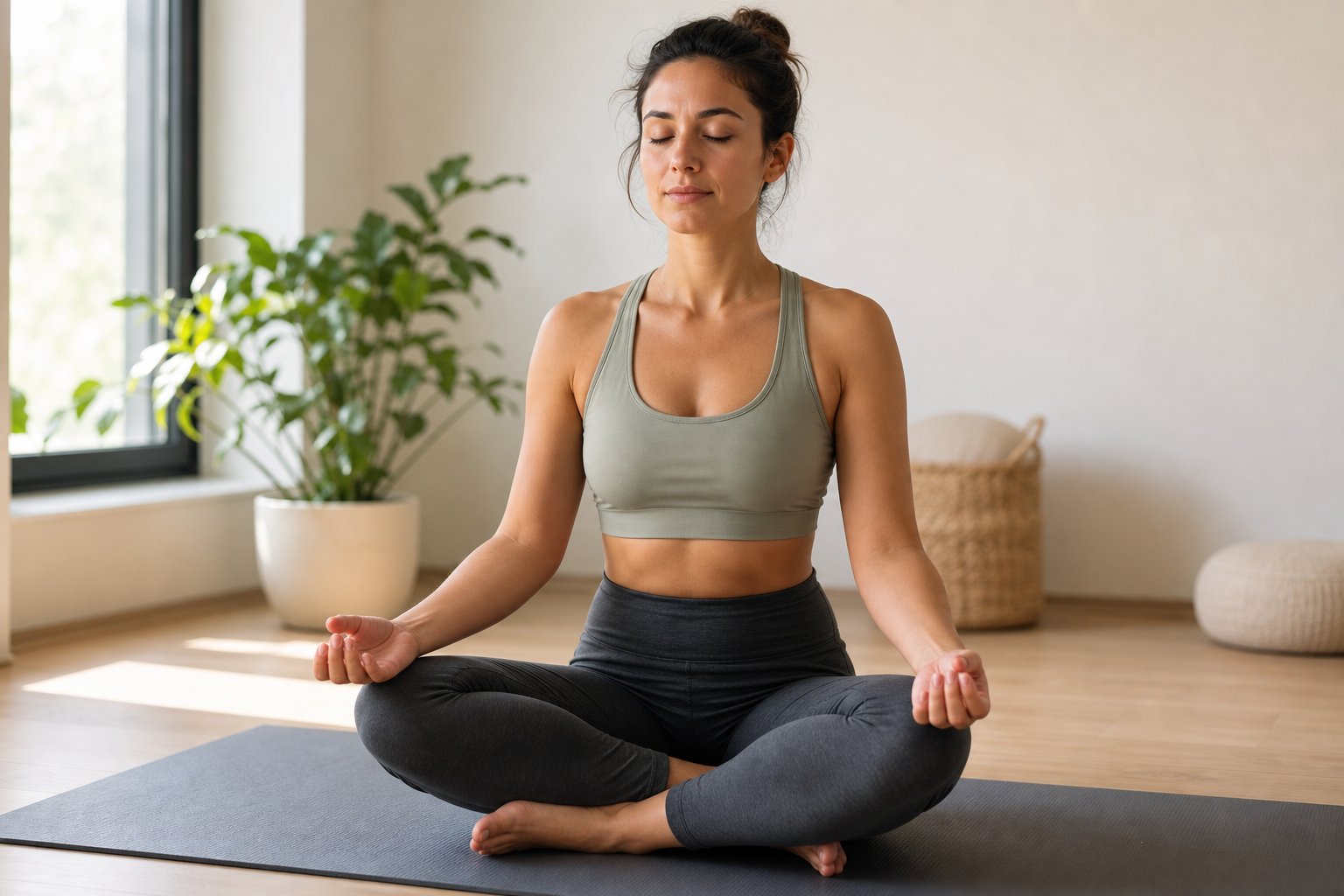
Learning how to do box breathing takes about sixty seconds. The technique is intentionally simple so you can practice box breathing anywhere: at your desk, in bed, or even on the bus. The key is getting the setup right and keeping the pace steady.
How To Set Up Your Posture And Pace
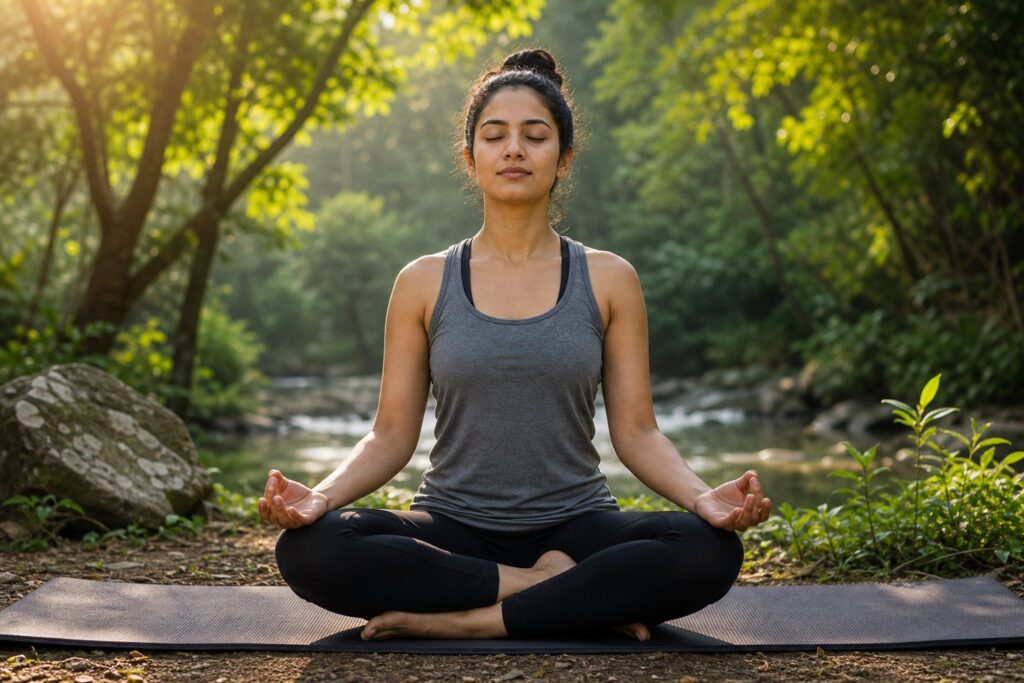
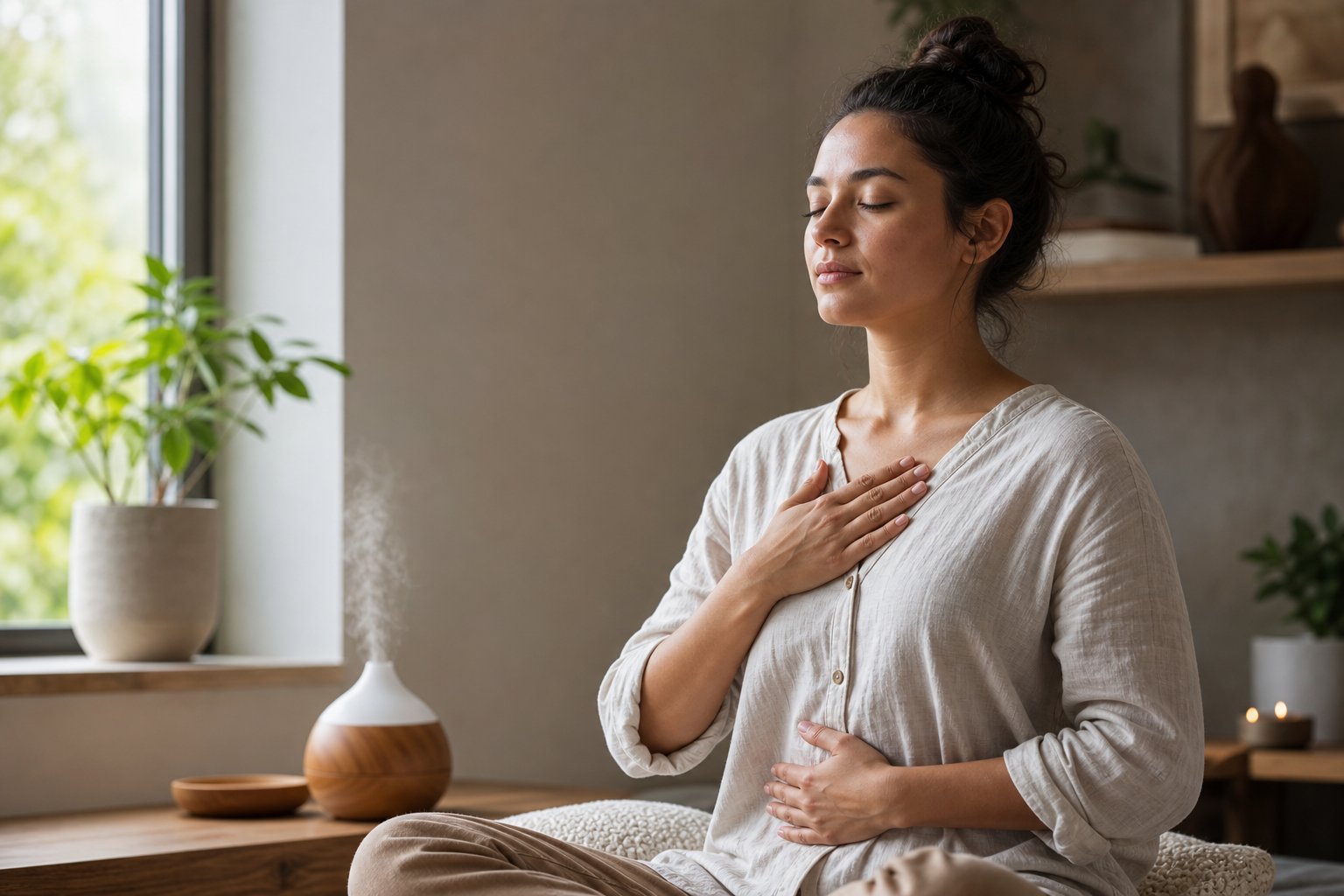
Sit upright with your back supported. You can use a chair, the floor, or lean against a wall. An upright posture allows your lungs to expand fully during each deep breathing cycle. Drop your shoulders away from your ears and place your hands on your thighs or in your lap. Close your eyes if it feels comfortable.
Before you start the pattern, take two or three normal breaths to settle in. Then begin counting at a medium, steady pace. The count of four should feel unhurried but not so slow that you strain. As one practical breakdown from Peloton explains, the goal is a rhythm that feels comfortable and sustainable, not a breath-holding contest.
One Full Cycle Of Inhale Hold Exhale Hold
One full cycle of this breathing exercise looks like this:
- Inhale through your nose for four slow counts, feeling your belly and ribs expand
- Hold your breath for four counts, staying relaxed in your chest and jaw
- Exhale slowly through your mouth or nose for four counts, letting the air release steadily
- Hold again with empty lungs for four counts before starting the next inhale
That is one complete box. Repeat it.
How Long To Continue As A Beginner
If you are new to breathing exercises, start with four to six rounds. That is roughly two to three minutes. Most people notice a tangible shift in how they feel within that timeframe. As your comfort grows, you can extend sessions to five or ten minutes. The important thing is consistency over duration; three minutes every day will do more for you than fifteen minutes once a week.
Why It Helps Regulate The Nervous System
Box breathing is not just a mental trick. It creates measurable changes in your autonomic nervous system, the part of your body that controls heart rate, digestion, and stress hormones without your conscious input. The 4-4-4-4 pattern directly targets the mechanisms that keep you stuck in a stressed state.
The Shift Out Of Fight Or Flight
When you are stressed, your sympathetic nervous system takes over. This is the fight or flight response: elevated heart rate, rapid shallow breathing, tense muscles, and a flood of cortisol. Your body is preparing to survive a threat, even when that “threat” is an overflowing inbox. The deliberate slow breathing of box breathing sends a signal to your brain that there is no danger. Heart rate drops. Cortisol production slows. Your body begins to stand down.
The Role Of The Parasympathetic Response
The parasympathetic nervous system is sometimes called the “rest and digest” system. It is the counterbalance to fight or flight, and it is activated through the vagus nerve. Slow, controlled breathing stimulates vagal afferent pathways, which communicate directly with the brainstem to lower arousal. The exhale and the second hold in box breathing are particularly effective here because they extend the phase where your body is releasing air and pausing, which amplifies the parasympathetic signal. This is stress reduction at a physiological level, not a psychological one.
What Changes In The Autonomic Nervous System
With regular practice, box breathing shifts the baseline tone of your autonomic nervous system. Your heart rate variability improves, meaning your body becomes more adaptable to stress rather than constantly reactive. Blood pressure regulation improves. As one clinical overview notes, controlled breathing patterns help regulate the autonomic nervous system in ways that reduce both pain sensitivity and anxiety management challenges over time. You are not just calming down in the moment; you are training your nervous system to be less reactive by default.
Benefits You May Notice With Regular Use
The real payoff of this breathing technique shows up when you practice consistently over days and weeks. The effects compound. What starts as a few minutes of calm after a session gradually becomes a noticeable shift in how you move through your day.
A Quieter Mind And Better Emotional Control
The most common thing people report after a week or two of daily practice is that the mental chatter gets quieter. You do not stop thinking entirely, but the volume and urgency of anxious thoughts decrease. You also start noticing a gap between a stressful trigger and your emotional reaction. That gap is where you get to choose your response instead of reacting on autopilot. This is a direct result of consistent parasympathetic activation retraining your nervous system’s default setting.
Improved Focus During Work And Daily Tasks
When your nervous system is calmer, your ability to concentrate improves. It is difficult to focus when your body is running a low-grade stress response all day. Regular box breathing has been linked to improved focus and concentration because it clears the physiological noise that fragments your attention. Try using it before a work block or a meeting. Two minutes of practice can sharpen your next sixty minutes.
Sleep Support And Physical Calm
If you struggle to fall asleep, your body is likely still running in a sympathetic-dominant state when you get into bed. Four to six rounds of box breathing before sleep can reduce stress, slow your heart rate, and lower blood pressure enough to let your body transition into rest. Many participants in the Abundance Breathwork Club report sleeping better within the first few days of consistent practice, not because they forced it, but because their physiology finally allowed it.
Common Mistakes And Easy Adjustments
Even a simple breathing practice can feel awkward at first. That is completely normal. The most important thing is to keep the experience gentle and adjust the technique to your current capacity, not the other way around.
What To Do If The Breath Holds Feel Too Hard
The holds are the most challenging part for beginners. If holding for four counts after the exhale creates tension or a gasping feeling on the next inhale, you are pushing too hard. Reduce the hold to two counts while keeping the inhale and exhale at four. You can also try 4-4 breathing without any holds at all, just matching your inhale and exhale lengths, and add the holds back in once your breathing rhythm feels steady.
When To Shorten The Count
Four counts is a starting point, not a rule. If a four-count feels rushed or too long, try three counts per phase. The key is keeping all four phases equal. A 3-3-3-3 pattern works the same way as 4-4-4-4 as long as the symmetry is maintained. As Calm’s practical guidance explains, the specific number matters less than the consistency of the rhythm.
How To Keep The Practice Gentle And Sustainable
Do not white-knuckle your way through deep breathing. If you notice jaw clenching, shoulder tension, or a feeling of urgency, soften everything. Relax your face. Let the exhale be passive rather than forced. This is not a performance. The goal is regulation, not endurance. Start with a short session and end while it still feels comfortable. You want your body to associate this practice with ease, not effort.
Building This Into Daily Life With Dan De Luis
Box breathing works best when it stops being something you “do” and becomes something woven into the rhythm of your day. Moving from occasional practice to a consistent habit is where the nervous system benefits genuinely take hold.
Best Times To Use It During The Day
Three windows tend to work especially well. First, use it within the first ten minutes of waking, before you reach for your phone or check email. Two minutes sets a calmer baseline for the morning. Second, use it as a transition between work tasks or before a stressful conversation. Third, practice it in bed before sleep as a signal to your body that the day is done. You do not need a breathing timer or box breathing timer to get started, but one can help you stay consistent while you are building the habit.
When To Move Beyond One Technique
Box breathing is a powerful entry point, but it is one tool in a much larger toolkit. Once the 4-4-4-4 pattern feels natural, you may notice you want more variety or deeper work. Techniques rooted in pranayama, extended exhale patterns, and active breathwork styles each serve different purposes. Knowing when to use which technique is where having experienced guidance makes a real difference.
How Abundance Breathwork Club Supports Ongoing Practice
Dan De Luis built the Abundance Breathwork Club specifically for people who want to go beyond a single technique. The membership includes five live online breathwork and meditation sessions every week, a full library of courses and recorded classes, and weekly live movement classes including yoga, mobility, and Dan’s signature “Weird Weirdo Workout” blending breath, mobility, Qi-Gong, and flow. The community of thousands of members provides accountability that solo practice cannot. If you are ready to start, the free 7-Day Breath Reset Challenge is designed to take you from stressed and overthinking to calm and focused in less than a week.
Frequently Asked Questions
How do I practice this breathing method step by step?
Sit upright with your shoulders relaxed and eyes closed. Inhale through your nose for four counts, hold for four, exhale for four, and hold again for four. Repeat this cycle four to six times, or for roughly two to three minutes.
What is the recommended inhale-hold-exhale-hold timing for beginners?
Start with a 4-4-4-4 count at a comfortable pace. If that feels too challenging, reduce to 3-3-3-3. The most important thing is keeping all four phases equal in length so the breathing rhythm stays symmetrical.
How long should a typical session last to feel calming effects?
Most people notice a shift within two to three minutes, which is roughly four to six full cycles. As your practice develops, you can extend sessions to five or ten minutes, but shorter consistent sessions are more effective than occasional long ones.
When is the best time of day to use it for stress or anxiety?
Morning, before a stressful event, and before bed are the three most effective windows. Morning practice sets a calm baseline. Pre-event practice prevents a stress spiral. Bedtime practice helps your nervous system shift into rest mode so you can fall asleep more easily.
Who should avoid breath-holding exercises or check with a doctor first?
If you are pregnant, have a respiratory condition like COPD or severe asthma, experience cardiovascular issues, or have a history of panic disorder, check with your doctor before practicing breath holds. You can still benefit from slow, rhythmic breathing by removing the holds and focusing on matched inhale-exhale lengths.
How does this technique compare with diaphragmatic breathing for relaxation?
Diaphragmatic breathing focuses on belly-based breathing without structured counts or holds. Box breathing adds the holds and a fixed rhythm, which gives your mind a more specific task and tends to be more effective for acute stress and overthinking. Both activate the parasympathetic nervous system, but box breathing offers more structure, which many beginners find easier to follow.